
From Hobby to Side Hustle: How to Turn Decorative Knotting Into Income
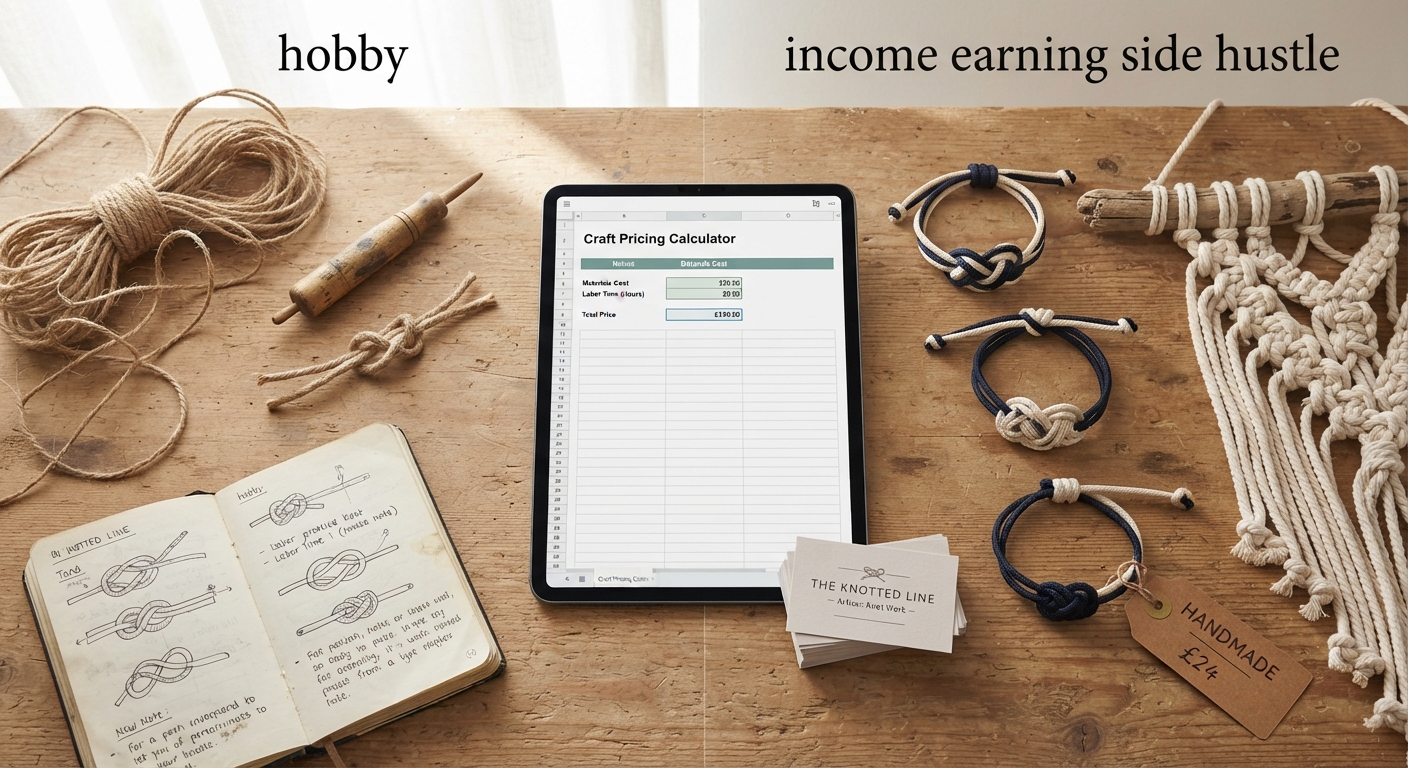
For members of the International Guild of Knot Tyers (IGKT) and craft enthusiasts alike, knot work is far more than just a pastime. Whether you spend your evenings mastering intricate decorative Turk’s head knots, crafting custom maritime displays, or designing modern paracord accessories, your hands are building skills that take real time, patience, and precision to learn.
So, what happens when your storage space fills up, friends start asking to buy your pieces, and you wonder if you can turn your passion into a profitable side sideline?
Transitioning from a hobbyist to an artisan who earns an income is an exciting leap. Here is a look at how to bridge the gap between creative outlet and business venture and how to make sure you actually get paid what your work is worth.
1. Recognise the Value of Skilled Craftsmanship
When you love what you do, it is easy to fall into the trap of thinking your creations are “just a hobby” and therefore worthless to anyone else. But intricate knot work requires specialised knowledge, understanding cord behaviour, structural integrity, tension balance, and complex geometric patterns.
Buyers aren’t just paying for a few yards of rope or twine; they are investing in the hours of practice, technical skill, and artistic vision required to finish a flawless piece.
2. Shift Your Mindset from Maker to Merchant
Treating your craft like a business doesn’t mean losing the joy of creating. It simply means putting a few foundational structures in place:
- Curate Your Best Work: Focus on a specific niche or style rather than selling everything under the sun. Cohesive collections look more professional.
- Document the Process: People love seeing how things are made. Sharing short video clips or step-by-step photos of your knotting process builds a loyal audience who values your labour.
- Keep Accurate Records: Track your material costs, packaging expenses, and time spent on each project right from the start.
3. The Hardest Part: Pricing Your Work Correctly
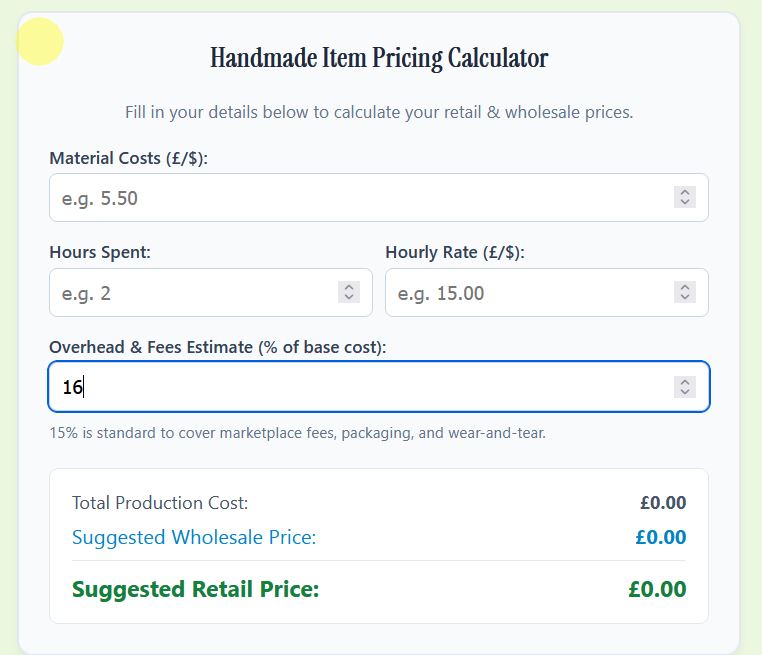
The biggest hurdle for new creative business owners is pricing. Undercharging is the fastest way to burn out and abandon your side hustle. You need a formula that covers your material costs, values your time at a fair hourly rate, and accounts for business overhead.
If you are struggling to figure out how to put a price tag on your handmade items without second-guessing yourself, take a look at this comprehensive guide on How to Price Handmade Items (With Free Interactive Craft Pricing Calculator). It breaks down the maths step-by-step and features a handy calculator to take the guesswork out of your pricing strategy.
Final Thoughts
Turning decorative knotting into a sideline income stream takes time, but there is immense satisfaction in seeing someone proudly display or wear something your hands created. Start small, price your work fairly from day one, and let your craftsmanship speak for itself.


